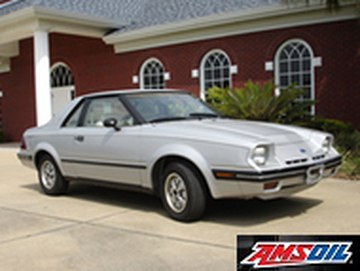
Maintaining Lubrication Integrity for the 1982 Ford EXP 1.6L
Proper engine maintenance is a cornerstone of long-term vehicle health, particularly when managing an older powertrain. For the 1982 Ford EXP equipped with the 1.6L engine, consistent attention to lubrication and routine inspections can help ensure the mechanical components continue to operate as intended. While modern vehicles often feature automated monitoring systems, maintaining a vehicle from this era requires a more hands-on approach to observing fluid conditions and physical component integrity.Monitoring Fluid Condition and Potential Leaks
One of the most effective ways to monitor the health of the 1.6L engine is through regular visual inspections for fluid loss or changes in lubricant appearance. Because seals and gaskets can change in flexibility over several decades, it is prudent to check the area around the engine for any signs of seepage. When performing these checks, look for:- Wetness or residue on various engine surfaces that may indicate a slow leak from a gasket or seal.
- The presence of dark, gritty, or sludge-like material in the oil, which can be associated with extended service intervals or contamination.
- Any unusual odors during operation that might suggest oil is contacting warmer engine components.
Observing Operational Warning Signs
Beyond visual inspections of the engine bay, the way the vehicle behaves during operation provides critical feedback. Owners of a 1982 Ford EXP should remain attentive to any new or changing sensations while driving. Changes in mechanical noise can sometimes be linked to lubrication levels or quality. While unusual sounds can stem from many different sources, a sudden change in the engine's acoustic profile should not be ignored. Additionally, if the vehicle's dashboard features any warning indicators related to oil, these require immediate attention. If you observe changes in exhaust characteristics, such as smoke that appears differently than usual, this may indicate that something is entering the combustion process. Such symptoms can have multiple causes, ranging from minor seal issues to more complex mechanical concerns, and should be investigated by a professional to determine the exact source.Prioritizing Maintenance Based on Current Condition
As vehicles age, maintenance strategies often shift from strictly following a calendar to focusing on the actual condition of the components. For an older 1.6L engine, establishing a baseline of how the vehicle is currently performing is essential. If you do not have a complete history of previous repairs and fluid changes, your first priority should be to document the current state of all major service items. Effective long-term ownership involves:- Reviewing any available service records to understand the history of parts replacement and fluid changes.
- Addressing active signs of wear or leakage before they escalate into more significant mechanical issues.
- Distinguishing between necessary preventive maintenance and the unnecessary replacement of parts that are still functioning correctly.
- Monitoring how often fluids need to be topped off to identify trends in consumption.
Inspecting Auxiliary Components and Connections
A comprehensive look at the engine compartment includes checking the various systems that support the primary engine functions. While the 1.6L engine is a straightforward design, several peripheral components require periodic attention. If equipped, inspect accessible drive belts for signs of deterioration such as cracking, glazing, or fraying. Similarly, if the vehicle is equipped with various hoses, check them for excessive softness, brittleness, or visible leaks at the connection points. Electrical connections and wiring should also be inspected for signs of corrosion or damage to the insulation, as secure electrical paths are vital for consistent engine performance. Regularly checking the air filtration system is also a practical step. A clean air intake helps ensure that the engine receives an appropriate volume of air, which supports efficient operation and helps prevent debris from entering sensitive areas of the engine.Establishing a Reliable Service Baseline
For many owners of a 1982 Ford EXP, the lack of a detailed service history can make maintenance feel uncertain. The best way to resolve this is to create your own record-keeping system. Documenting every oil change, filter replacement, and minor repair provides a roadmap for the vehicle's future needs. When you begin this process, treat the first few service intervals as an opportunity to "reset" the baseline. This means performing thorough inspections of all fluids and belts to see what the current state of the vehicle truly is. Once you have established what is normal for your specific engine—such as its typical oil level or the sound it makes when idling—it becomes much easier to notice when something has changed.Practical Guidance for Buying Engine Oil for the 1982 Ford EXP 1.6L
When it is time to replenish your engine's lubrication, accuracy in selection is vital. You should not rely on general automotive knowledge or assumptions based on the vehicle's age to choose a lubricant. Instead, match the engine oil to the application-specific viscosity information already displayed on this page. As you shop for products, consider the following:- Verify that the oil meets the appropriate API certification listed in your application details.
- Check the product labeling carefully to ensure the grade matches what is required for your specific 1.6L engine.
- If your engine shows signs of high mileage, you may consider formulations that include seal-conditioning additives, though you should always prioritize the correct viscosity first.
- Whether choosing a conventional, synthetic blend, or full synthetic oil, the most important factor is adhering to the specific requirements provided in the vehicle information above.